
Health & Safety Information
Information to help protect your family.
Health Risks Following Exposure to Floodwaters
When to Seek Medical Attention
You should contact a healthcare provider if you experience any of the following:
Fevers.
Symptoms that do not rapidly improve within 1–2 days.
Any wound that shows signs of infection (increased redness, swelling, or pus).
Please monitor your health for the following risks that can appear in the days following exposure to floodwaters:
1. Wound Care and Skin Infections
Floodwaters and debris carry significant risks for injury and infection!
Wound Care: If you sustained any cuts or abrasions, ensure they are washed immediately and treated with daily wound care.
Tetanus: Ensure your tetanus vaccinations are up to date, especially if you suffered a puncture wound or deep cut while working in contaminated water.
Infections to Watch For: Be alert for contact dermatitis caused by chemicals or allergens in the water. Cellulitis and deeper skin infections typically peak three-to-four days after a flooding event but can remain a risk for weeks. If a wound becomes increasingly red, painful, or swollen, seek medical attention immediately.
2. Potential Illnesses (Leptospirosis and GI Issues)
Exposure to contaminated water and mud increases the risk of specific diseases.
Leptospirosis: Leptospirosis is a particular concern in flood zones, as it is carried by animals and can cause high fever, headache, chills, muscle aches, abdominal pain, vomiting, jaundice, and red eyes.
Gastrointestinal Illness: Contaminated food or water can lead to gastroenteritis, which causes vomiting, nausea, abdominal pain, and diarrhea.
3. Respiratory and Environmental Hazards
Mold and Dust: As areas dry out, mold and dust can trigger asthma or COPD exacerbations. If you are entering “musty” smelling buildings or continuing clean-up, it is highly recommended to wear an N95 respirator.
Safety Tips
Personal Protective Equipment (PPE)
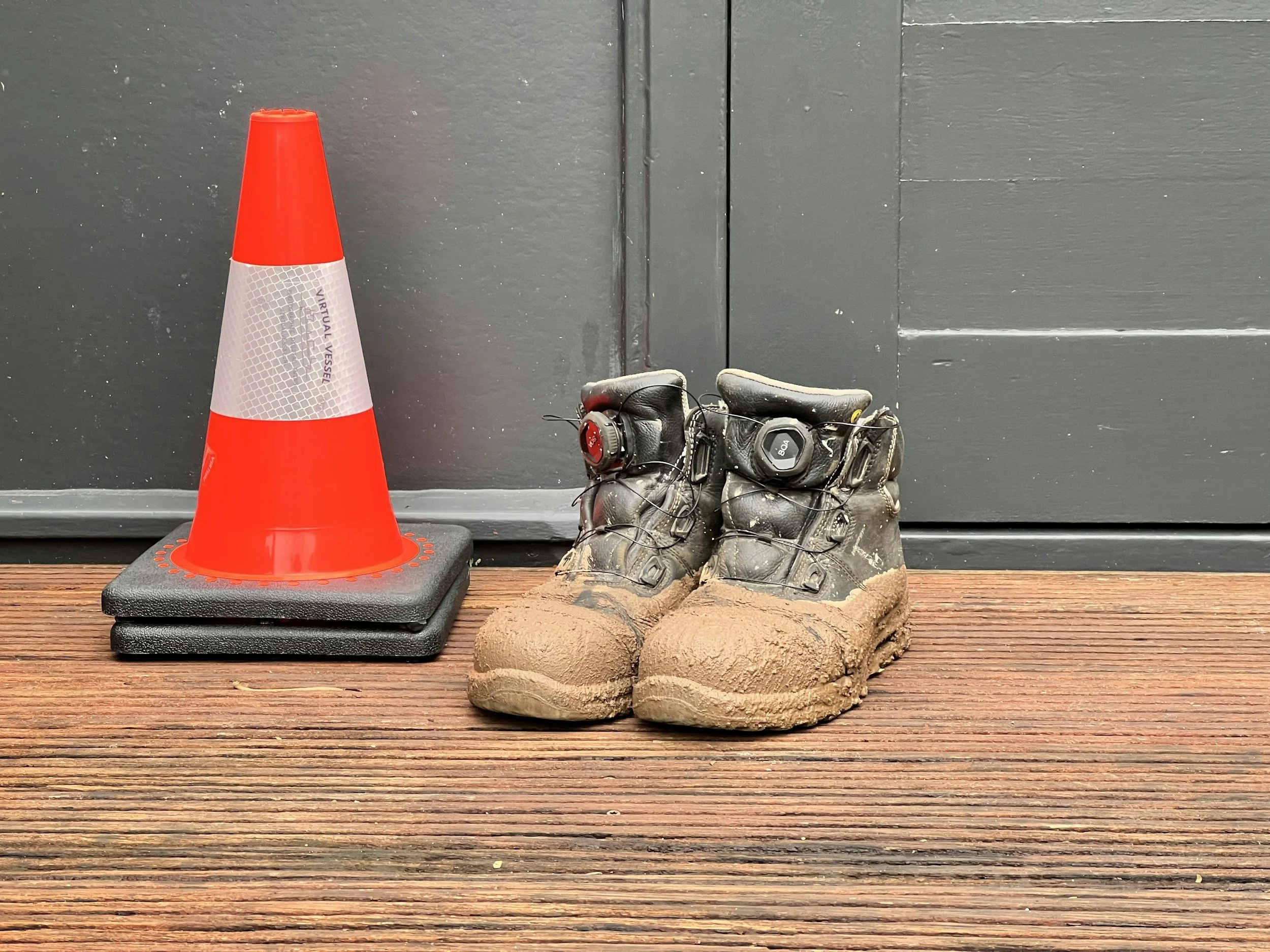
Wear Protective Clothing: Always use protective clothing, gloves, and a mask while participating in cleanup activities.
Respiratory Protection: It is highly recommended to wear an N95 respirator or another high-quality mask when entering any room that smells “musty” or when actively cleaning up debris to protect against dust, mold, and other allergens.
Wound Care and Hygiene
Immediate Treatment: Wash any wounds immediately. Follow this with strict wound care and monitoring for signs of infection.
Tetanus Vaccination: Ensure your tetanus vaccinations are up to date if you are participating in cleanup or have sustained a wound.
Hand Hygiene: Practice frequent hand hygiene and clean all utensils thoroughly to prevent gastrointestinal illnesses.
Environmental and Equipment Safety
Carbon Monoxide Prevention: Never use equipment such as pressure washers or generators inside closed spaces, as this can lead to carbon monoxide poisoning.
Mold Remediation: Be proactive about mold prevention and remediation to avoid respiratory issues like asthma or COPD exacerbations.
Beach Safety Reminders
The Honolulu Ocean Safety Department (HOSD) is urging residents and visitors to stay out of the ocean following recent heavy rains, especially while the Hawaiʻi Department of Health Brown Water Advisory is in effect. HOSD strongly encourages the public to make informed decisions and prioritize safety while the advisory remains in effect.
Runoff from heavy rains can carry bacteria, pollutants and debris into nearshore waters, creating potential health and safety hazards that may not be visible from shore.
Key Safety Reminders:
Avoid brown or murky water, as it may contain harmful bacteria and contaminants that can cause illness or infection;
Be alert for debris in the water, including floating or submerged objects that can cause injury;
Be mindful of marine life activity, as runoff and debris entering the ocean may attract sharks and other marine life.
Mental Health Resources
Multilingual support is available to people experiencing emotional distress related to any national or human-caused disaster. Services include multilingual crisis support services for stress, anxiety, and other depression-like symptoms that are common reactions after a disaster such as severe weather and incidents of mass violence. Residents in the United States and its territories are welcome to call or text SAMHSA’s Disaster Distress Helpline available 24 hours a day, 7 days a week.